
Roof inspections
Find the source of a leak, assess storm effects or understand a roof before planning work.
Explore the service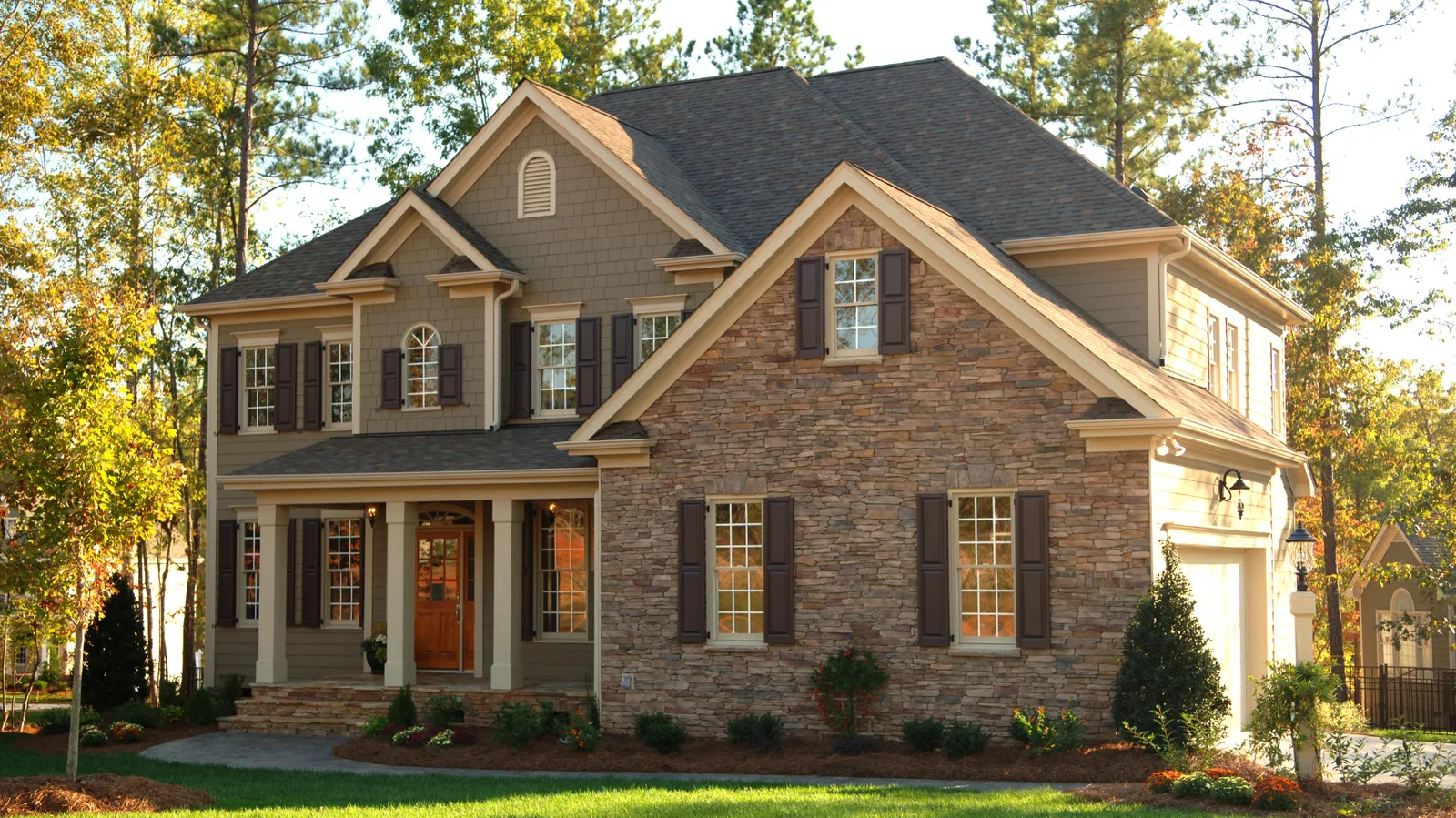
A leak, worn shingles or storm damage should lead to a clear roofing decision. Start with a free roof inspection for your Lexington home or commercial property.
Free roof inspections for homes and commercial properties.
Start with the covering, flashing and water path.
Repair, replacement and material choices explained.
A simple request for a free roof inspection.
A roof problem interrupts the ordinary things you want your home to do: stay dry, stay comfortable and keep the next rain outside. Lexington OK Roofing Co helps you move from a stain or damaged shingles to the right kind of roofing work.
A free inspection gives a roofer a chance to walk the roof when conditions allow, check the covering and water-shedding details, and explain whether a repair or replacement fits the findings. A small opening does not automatically call for a whole new roof. Widespread wear does not become a sound roof through another layer of sealant.
Tell us what you noticed and where the property is. Whether the concern is a house, a shop or a low-slope commercial roof, the next step begins with the actual roof.
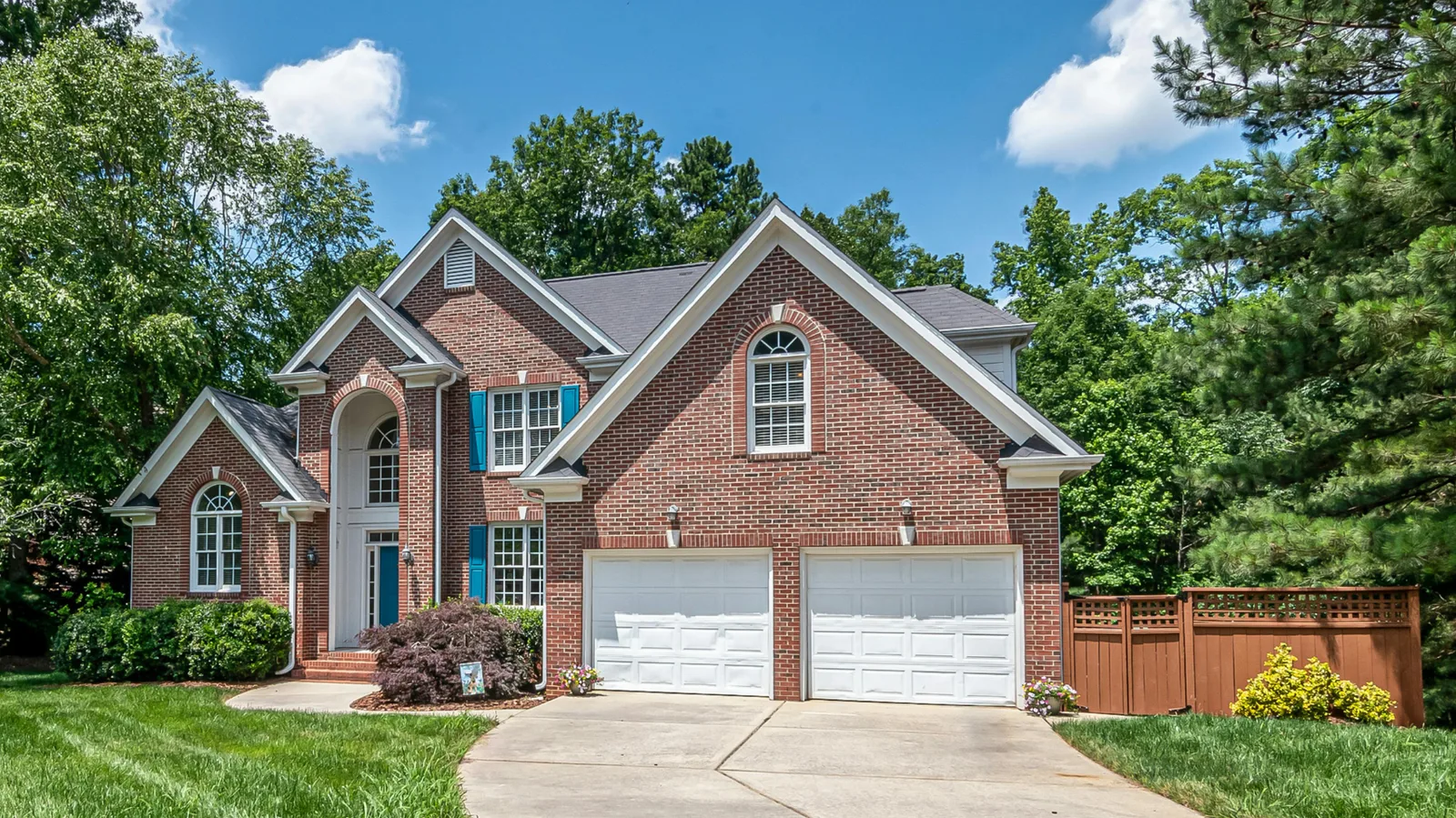
A focused repair makes sense when the opening can be traced and the surrounding shingles, flashing and deck can support the new work. Replacing a damaged pipe boot or rebuilding a wall flashing solves a different problem from covering a wet ceiling stain.
Explore roof repairReplacement brings the roof back to a sound starting point when the covering is broadly deteriorated, repeated repairs are spreading or damage reaches beyond a workable local repair. Tear-off exposes decking and makes the underlayment, edges, valleys and ventilation part of one plan.
Explore roof replacementChoose the concern that brought you here, or describe it in the inspection request.
Find the source of a leak, assess storm effects or understand a roof before planning work.
Explore the service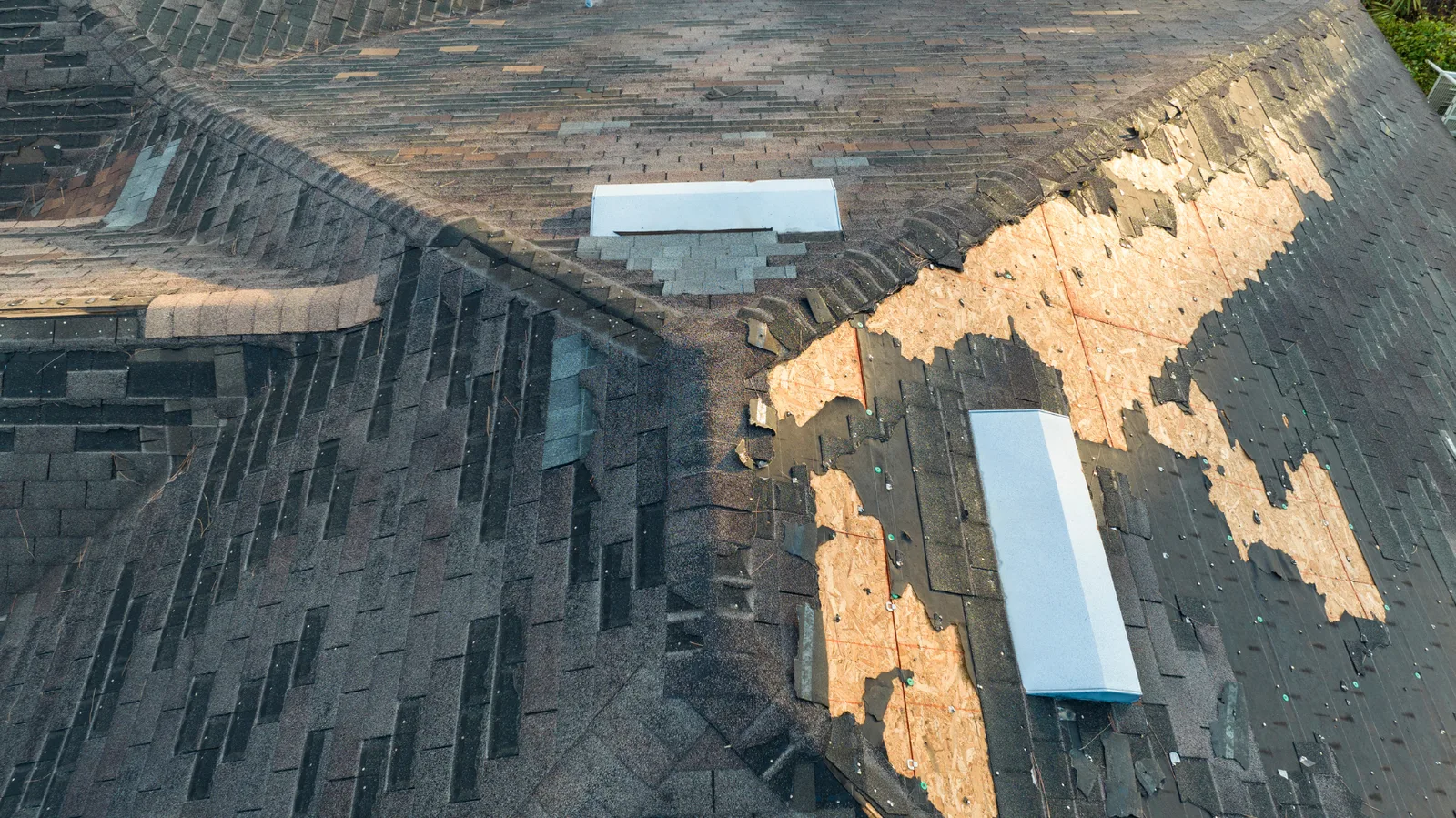
Separate physical damage from ordinary wear and connect temporary protection with the lasting repair.
Explore the service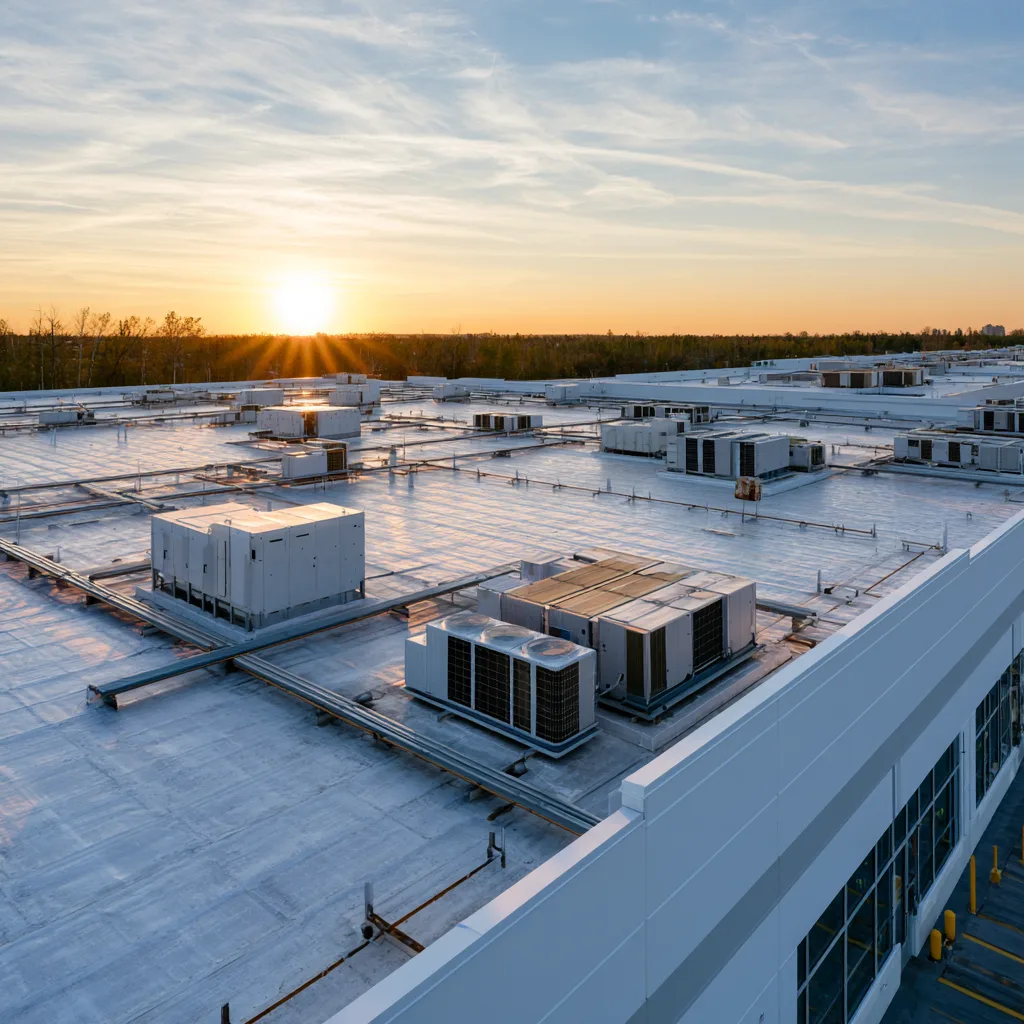
Help for low-slope membranes, metal roofs, drainage and replacement planning.
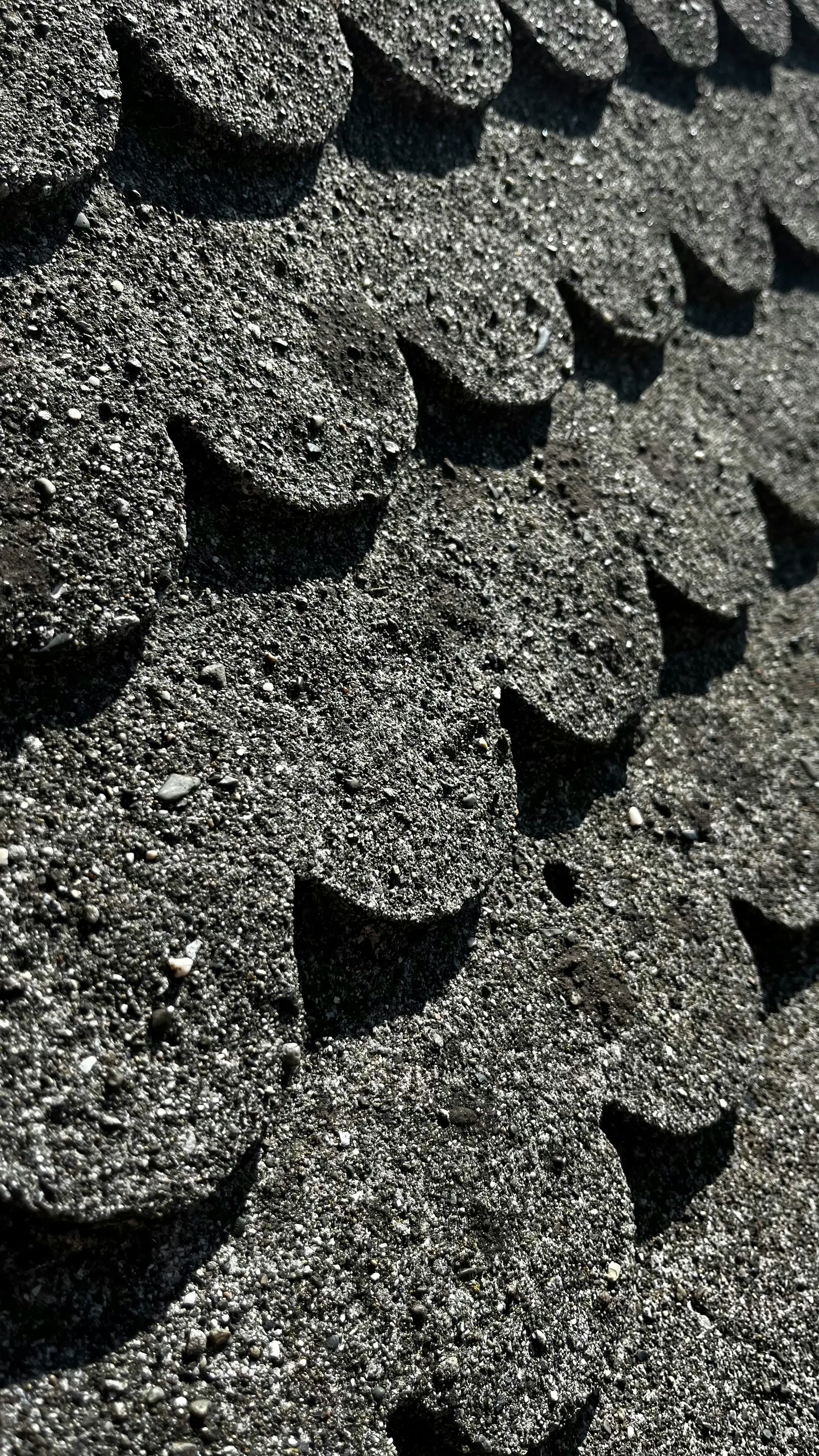
Explore the serviceArchitectural asphalt shingles use layered construction for a dimensional profile. An impact rating answers a different question: how a particular product performed under a defined test. The same architectural shingle can carry an impact rating, but that rating does not make an installed roof hailproof.
Metal changes the roof system as well as its appearance. Standing seam conceals the main panel attachment; exposed-fastener panels use visible screws and sealing washers. Panel movement, fastening, roof slope, underlayment and flashing need details suited to that system. Sound support and compatible connections matter for either covering.
The price also follows the work. A larger measured roof, extra tear-off layers, complicated valleys, difficult access and damaged decking change the labor and materials. Our roof cost tool gives an architectural-shingle planning example with clear assumptions before an inspection settles the actual scope.
| What you notice | What the roofer checks | Where it leads |
|---|---|---|
| A stain around a ceiling opening | Pipe flashing, roof-to-wall joints, the covering and the route water has taken | A repair that closes the entry point and accounts for nearby damage |
| Missing or lifted shingles | Fastening, surrounding shingle condition and the extent of wind damage | A compatible local repair or a broader replacement discussion |
| Ponding on a business roof | Drainage paths, seams, curbs and any wet insulation | Membrane repair, drainage work or replacement based on what remains sound |
Wind can lift shingles or expose a roof edge, while hail and debris can damage the covering and its details. The work starts with what happened to this roof, rather than a nearby storm report.
A free inspection looks at the affected covering, flashing and adjoining material. That establishes whether a defined repair can reconnect to sound roof or the damage calls for a wider scope.
If water is coming in, call and say so. Stay off the roof and keep clear of wet electrical fixtures or sagging ceilings. Temporary protection limits exposure when weather and safe access allow while permanent work is planned.
The lasting repair replaces the failed covering or detail and restores its connection to sound decking, underlayment and flashing. Wider damage or worn adjoining material can lead to replacement. A temporary covering does not renew those layers.
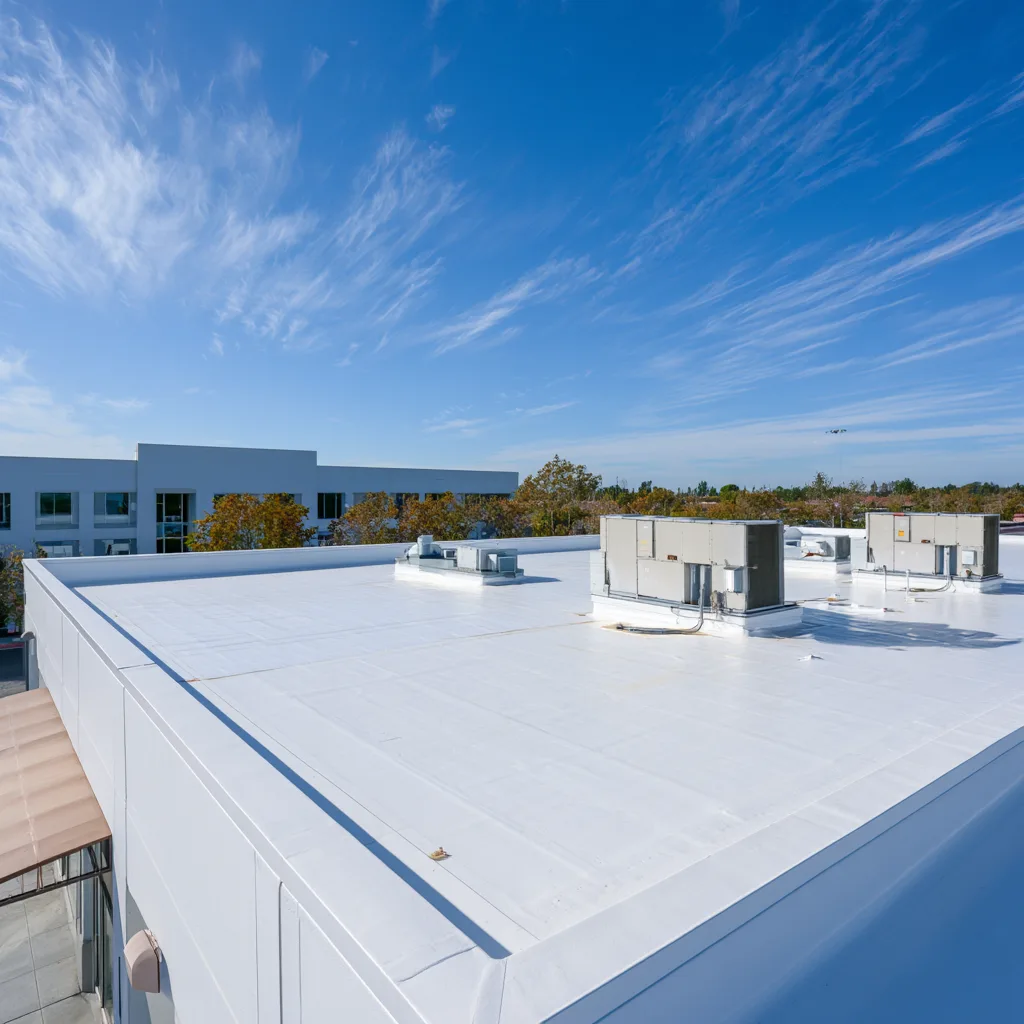
A leak over a work area can begin at a membrane seam, equipment curb or drain detail away from the indoor drip. We look at those interruptions and the roof around them, including the condition of insulation and support beneath the surface.
A local repair needs a defined failure and sound, compatible material to join. Restoration needs an eligible, prepared roof with moisture and attachment problems addressed. Wet insulation, failed support or widespread deterioration can move the work toward removal and replacement; a fresh coating does not rebuild those layers.
Drainage and the building in use belong in the same plan. Roof access, rooftop equipment, tenant entrances, deliveries and protected work areas affect how the roofing is arranged.
Lexington sits beside the South Canadian River, with Purcell across the bridge. We welcome roofing requests in Lexington and the surrounding area. Share the property address so the roofing need and location can be matched accurately.
Roofing help around Main Street and Broadway.
Homes and properties east of the town center.
Explore the full service-area directory.
Yes, when the source is limited and the adjoining covering, flashing and decking can support the repair. An inspection also checks whether the leak has affected more of the roof than the visible opening suggests.
Yes. Request a free inspection and tell us what you have noticed. A roofer can walk the roof when conditions allow and explain the work that fits its condition.
Yes. Commercial inquiries include low-slope membranes, metal roofs, leak investigation and replacement planning. The roof system, drainage and how the building is used guide the next step.
